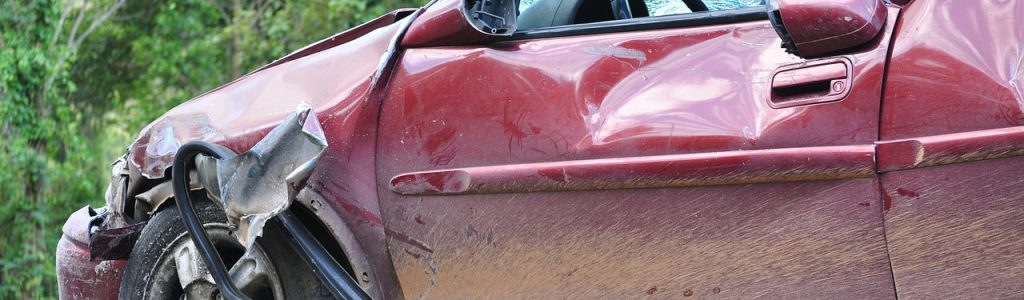
Did you know 9 of Australia’s 10 worst crash corridors are in Melbourne? Vehicle thefts are so common that the claims bill is higher than all other states combined. Meanwhile, nose-to-tail collisions are the most common crash type for fraud. And men and over 65s make the most claims.
Worst roads for crashes
The 2026 AAMI Crash Index shows 9 of Australia’s 10 worst crash corridors are in Melbourne. The index ranks roads by claims volume, not crash severity and analysed over 394,000 motor insurance claims during 2025.
- For the first time in 8 years, Springvale Road in Glen Waverley displaced Plenty Road in Budoora as the worst road for crashes.
- Plenty Road was Australia’s crash hotspot for 10 years from 2014 to 2023.
The most common type of crash in 9 out of 10 hotspots were nose-to-tail, accounting for 28% of claims in 2025.
- 23% of claims were failure to give way
- 22% of claims were collisions with stationary objects.
Worst state for theft
Victoria has a poor record for theft:
- Insurers paid out a total theft bill of $300 million in 2025-2026 – more than the combined sum of all other states analysed.
- A car in Victoria was stolen or broken into every 43 minutes.
Comprehensive motor insurance premiums are already the highest in Australia. Victorian drivers are now paying a whopping $3,293, up 6% on last year.
The cost of fraud
Meanwhile, the cost of fraud is rising, particularly for nose-to-tail collisions. This type of collision tends to put liability and focus on the driver behind, rather than the person who set up the crash.
Fraudulent claims also tend to happen in crash hotspots, pushing up the cost of claims further.
Who makes the most claims?
Most claims are made by men and by drivers 65 and over. In fact, an analysis found drivers 50 and over saw the biggest comprehensive insurance premium increases of any group, up 6.5% last year.
By far the riskiest driver behaviours are being too close to the vehicle in front and behaviour at intersections, rather than speeding. In fact, the lowest-scoring behaviours from telemetry (black box) data were:
- Acceleration 79%
- Braking 78%
- Cornering 76%
The message is clear. If you want to avoid a crash, leave a safe gap, look further ahead and take extra care at intersections.